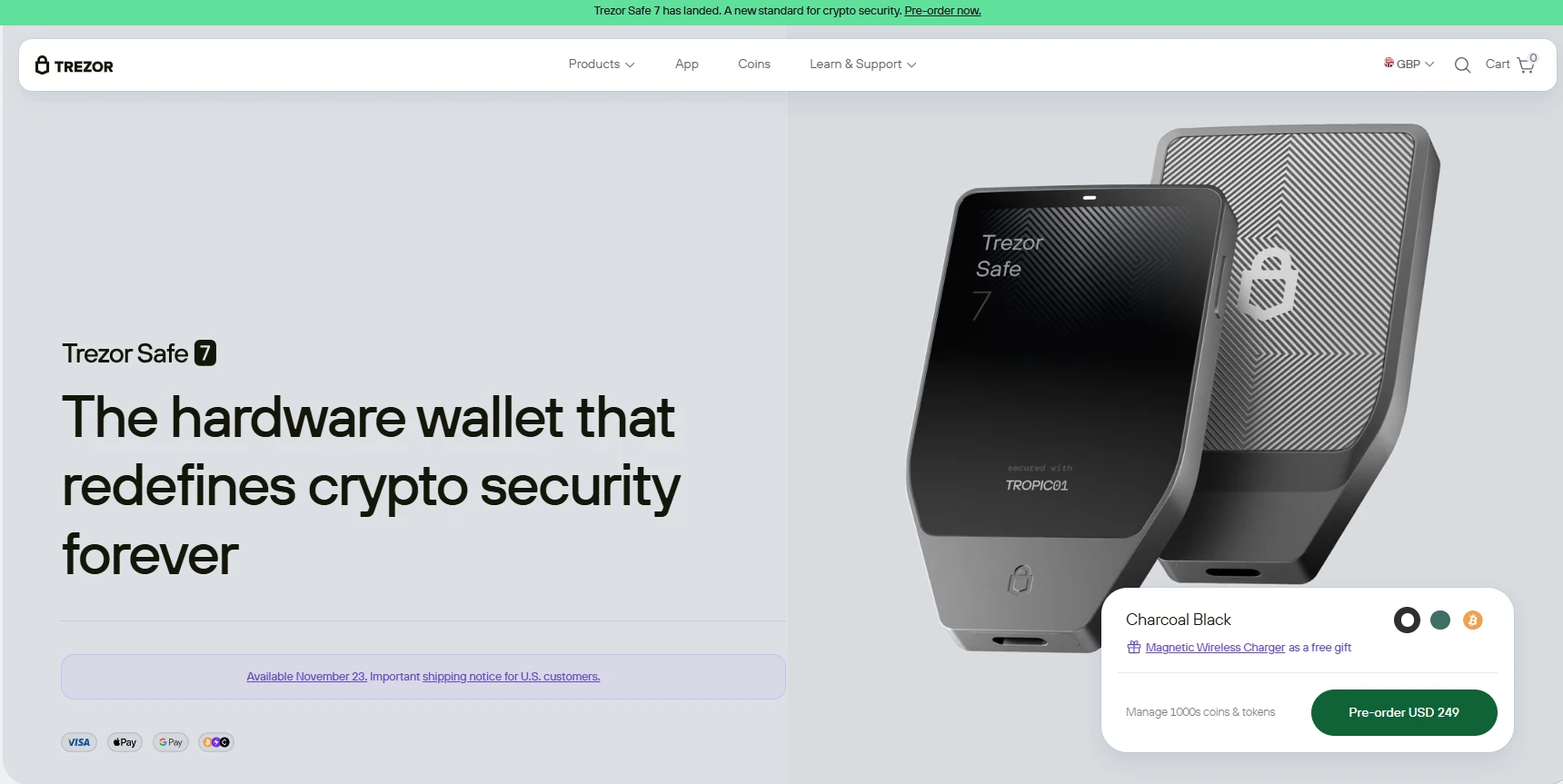
Trezor Bridge – Simplifying Communication With Your Trezor Device
Using a hardware wallet with compatible computer software requires an appropriate communication method. Trezor Bridge is a software component intended to facilitate communication between supported Trezor hardware and compatible wallet interfaces. Understanding its purpose can help users approach wallet connectivity with greater confidence.
Understanding the Purpose of Trezor Bridge
Trezor Bridge operates as a communication layer rather than a place where cryptocurrency is stored. Its role is to help supported software communicate with an attached Trezor hardware wallet when the relevant environment requires it.
It should not be confused with a wallet backup, cryptocurrency exchange, or standalone storage service.
Use an Official Installation Source
Before installing Trezor Bridge, confirm that the software is being obtained from an official Trezor resource. Avoid installation packages found on unknown download sites or links shared through unsolicited emails and messages.
Checking the source carefully is an important security step. Fake wallet software can imitate legitimate applications and potentially expose users to unnecessary risks.
Connecting a Trezor Device
Once the appropriate software is installed, connect your Trezor device and follow the current instructions provided by the compatible wallet environment.
If the hardware is not detected, first check the cable and connection. You can also restart the relevant application and review official troubleshooting instructions. Avoid installing unofficial drivers simply because a third-party page recommends them.
Security Beyond Connectivity
Installing communication software is only one part of responsible hardware-wallet use. Users should also protect their wallet backup and remain cautious about requests for confidential information.
Never share your recovery words with websites, applications, online contacts, or people claiming to represent customer support. Keep backup information private and stored securely offline.
Verify Every Transaction
A successful connection should never mean automatically approving a transaction. Before confirming an operation, carefully inspect the transaction details displayed on your physical Trezor device.
Check the recipient and amount against your original intention. If the information appears different, do not approve the transaction until the issue has been properly investigated.
Helpful Connectivity Practices
For a smoother experience with Trezor Bridge, consider these habits:
- Use current software from official Trezor resources.
- Confirm that your operating system is supported.
- Use a reliable connection between your computer and device.
- Follow official troubleshooting procedures for connection errors.
- Avoid unknown browser extensions and wallet utilities.
- Keep recovery information completely offline.
- Verify transactions directly on the hardware wallet.
Protect Yourself From Impersonation
Wallet users may encounter fake support accounts or websites claiming to provide connection assistance. These scams can use urgent language and ask for recovery words or other confidential information.
Never reveal your wallet backup to troubleshoot a connection problem. Instead, independently visit the official Trezor website and use its legitimate support documentation.
